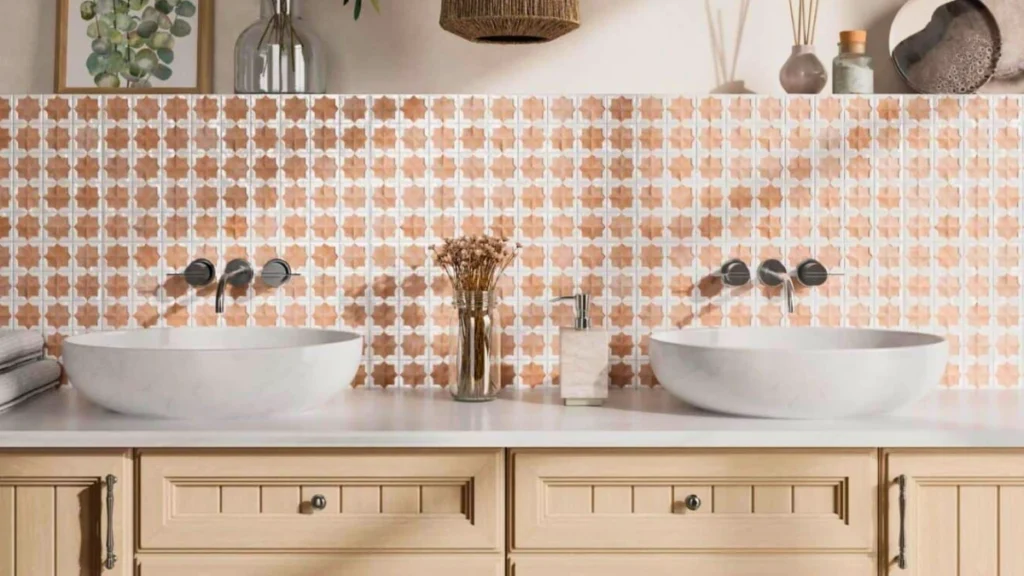
Top Tile Trends 2026: Tiles in 2026 are breaking old rules and setting bold new standards. Homeowners, architects, and businesses are leaning into natural tones, smart textures, and designs that feel alive. Terracotta and ochre colors are no longer just classic—they are transforming spaces with warmth and energy. Meanwhile, biophilic and sustainable designs are creating interiors that are visually stunning and environmentally conscious. From floors to walls, these tile trends are shaping the future of style and business alike.
Terracotta Tiles Bring Warmth Instantly
Terracotta tiles are making a strong comeback in 2026, combining rustic charm with modern durability. Their earthy tones create cozy vibes in kitchens, living rooms, and patios. With improved finishes, these tiles resist stains and scratches while maintaining natural appeal. Designers love using terracotta to mix tradition with contemporary spaces. This trend is not only aesthetic but also functional, giving homes a grounded, welcoming feel while boosting property value and design versatility.
Ochre Shades Energize Interiors
Ochre tones are dominating interiors with their rich, golden-orange warmth. These shades create bright, inviting spaces that feel both modern and timeless. Ochre tiles pair perfectly with wood, metal, and greenery, allowing homeowners to experiment with contrasts. In commercial spaces, these tiles energize lobbies and offices while adding sophistication. The trend reflects a shift toward colors that evoke positivity and creativity, making spaces feel dynamic and visually stimulating without overwhelming the senses.
Biophilic Patterns Connect to Nature
Tiles inspired by biophilic design are gaining popularity, creating spaces that feel alive and fresh. Wood-look, stone-look, and leafy patterns are being used in homes, offices, and wellness centers. These tiles promote calmness and mental well-being while maintaining a stylish appearance. By connecting interior spaces with natural elements, biophilic tiles enhance the overall ambiance. This trend is a perfect example of how design and health-conscious thinking are coming together to redefine interiors in 2026.
Large Format Tiles Amplify Luxury
Large format tiles are trending for creating dramatic, seamless surfaces. Tiles measuring 600x1200mm and above reduce grout lines and give a sleek, modern look. They make rooms feel larger and more open, which is ideal for living rooms, showrooms, and hotels. Large tiles also allow designers to use bold textures or patterns without overwhelming a space. In 2026, the combination of scale and style is helping homeowners and businesses elevate interiors with minimal effort and maximum impact.
Sustainable Tiles Drive Conscious Design
Eco-friendly tiles are no longer niche—they are mainstream. Tiles made from recycled materials, low-energy production, and non-toxic finishes are in high demand. Homeowners are actively choosing tiles that reduce environmental impact while staying stylish and durable. Businesses promoting green design are seeing customer trust and sales grow. This trend shows that sustainable choices can align with aesthetics, creating spaces that are responsible, modern, and visually appealing at the same time.
Digital Printing Unlocks Endless Creativity
Digital printing is revolutionizing tile design, offering high-precision patterns that were impossible before. Hyper-realistic marble, wood grains, and intricate geometric designs are now accessible to homeowners and businesses alike. Custom digital prints reduce waste and allow for unique personalization. In 2026, digital printing is a key innovation for designers who want bold, statement-making surfaces without excessive cost. It merges technology with creativity, making tiles a canvas for imagination while keeping spaces functional.
Textured Tiles Add Depth and Style
Mixing textures is a major trend for 2026 interiors. Matte, polished, and embossed tiles are being combined on walls and floors to create dynamic visual and tactile experiences. This approach breaks monotony and adds character to any space. Textured tiles also interact with light in interesting ways, highlighting room features. Designers are increasingly using textures to elevate interiors while keeping them cozy and functional. This trend makes each surface feel intentional, sophisticated, and engaging.
Creative Layouts Make Bold Statements
Tile patterns are getting more attention than ever. Herringbone, chevron, diagonal, and geometric layouts are transforming walls and floors into focal points. Creative layouts allow homeowners and designers to play with scale, color, and texture in unique ways. Commercial spaces are using layouts to impress visitors, while residential interiors feel more personalized and stylish. In 2026, the way tiles are arranged is just as important as the tiles themselves, giving each room a distinct personality and energy.
Color Blends Shape Modern Spaces
Mixing complementary colors is emerging as a trend for vibrant yet balanced interiors. Tiles now come in blends of ochre, terracotta, gray, and green, allowing designers to create layered, dynamic spaces. Color blending enhances depth and mood, making rooms feel warm, lively, and inviting. This approach works well for feature walls, kitchen backsplashes, and open-plan areas. The trend demonstrates how modern tile design combines artistry with functionality to create spaces that are visually stimulating and harmonious.
Final Word: Top Tile Trends 2026
The top tile trends of 2026 reflect a balance of style, innovation, and sustainability. Terracotta and ochre tones bring warmth, biophilic designs promote wellness, and large format and textured tiles elevate luxury. Sustainable and digitally printed tiles showcase environmental awareness and creativity, while layouts and color blends let homeowners express individuality. By adopting these trends, spaces can feel modern, vibrant, and eco-conscious, and the tile industry continues to thrive, offering endless possibilities for both style and business growth.
Disclaimer: The information provided in this article is for general informational purposes only. Readers should verify details independently. The author and publisher are not responsible for any errors or decisions made.