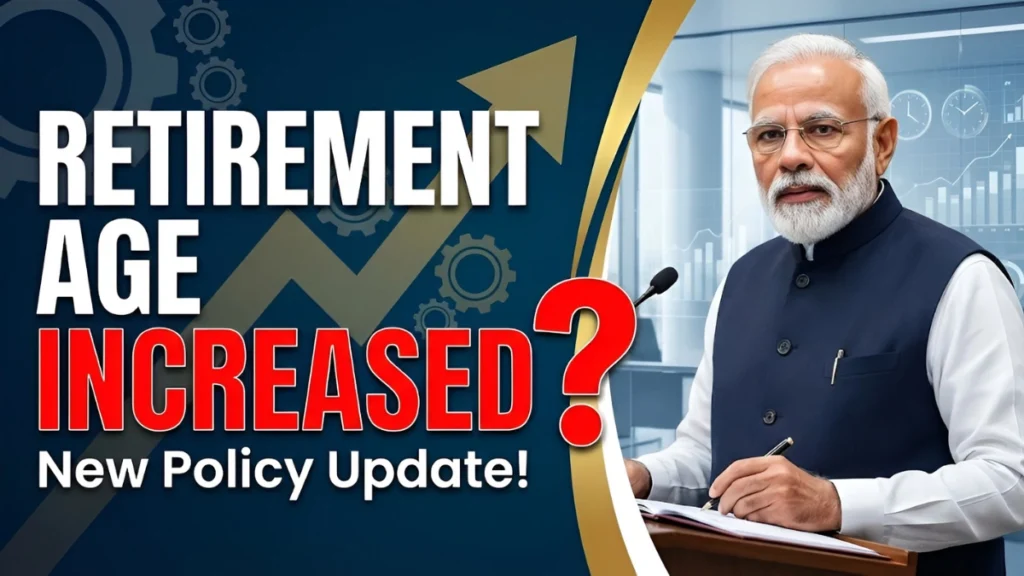
Retirement Age Raised: The government’s recent move to raise the retirement age is shaking up workplaces and financial plans across the country. Employees now face longer careers, new earning opportunities, and changes in pension payouts. Understanding how this shift impacts salary growth, retirement benefits, and long-term financial security is crucial. Here’s a detailed guide to help you navigate this new era of extended employment with confidence.
Extended Work Means Bigger Paychecks
Working longer naturally increases the total earnings over a career. Employees now have extra years to benefit from annual raises, bonuses, and promotions. Those extra years of income can help pay off debts, grow savings, or invest in long-term goals. Extending your career also means more financial flexibility, giving you the ability to plan bigger life events or secure your family’s future with greater confidence.
Higher Pension Boosts Retirement Security
Longer employment directly impacts pension contributions. The extra years of paying into retirement plans result in larger pension amounts. This can make a noticeable difference in monthly payouts after retirement, allowing for a more comfortable lifestyle. People who plan effectively can take advantage of these increased benefits to enjoy financial independence, maintain their standard of living, and meet unexpected expenses without stress.
Adjusting Financial Plans is Vital
With retirement pushed further, old savings plans may no longer align with your goals. Investments, insurance policies, and retirement accounts might need recalibration to maximize returns. Extending contributions ensures that you fully benefit from compounding and higher savings growth. Proactively adjusting your financial plan is essential to avoid shortfalls and maintain a smooth transition into retirement without compromising lifestyle expectations.
Healthcare Coverage Changes Over Time
Longer employment affects healthcare access. Extended employer-provided insurance can cover more medical expenses, which is especially valuable as health costs rise with age. At the same time, employees need to plan for future medical expenses beyond employer coverage. Reviewing policies and supplementing with personal health plans ensures that financial stability is maintained, while also keeping health risks in check during extended work years.
Staying Competitive in the Job Market
A higher retirement age reshapes workplace dynamics. Senior employees may face increased competition for promotions or new roles, while younger workers enter the workforce. Upskilling and updating professional certifications become essential for remaining competitive. Those who embrace learning and adaptability can secure leadership roles, negotiate better salaries, and leverage experience to continue growing professionally during the extended working years.
Retirement Goals Take New Shape
Financial freedom now has a different timeline. Extra work years can allow for a stronger safety net, additional investments, or pursuing new passions. Extended careers also provide opportunities to explore side businesses or creative ventures before retiring. By planning strategically, employees can ensure that delayed retirement leads to enhanced financial security and the ability to enjoy personal and family goals without compromise.
Inflation Impacts Savings Growth
Longer working periods must consider rising living costs. Money saved today may not hold the same value decades later due to inflation. Adjusting savings, diversifying investments, and reviewing pension plans can protect wealth over time. Employees who actively plan for inflation can ensure their extended earnings translate into real financial growth, preserving purchasing power and maintaining a comfortable standard of living well into retirement.
Skill Development Opens New Opportunities
Extended careers provide time to expand skills and explore new professional avenues. Upskilling can lead to higher-paying roles, promotions, or leadership positions. Embracing new technology and professional growth ensures that prolonged employment is productive and financially rewarding. The longer working timeline becomes a strategic advantage for those ready to invest in continuous learning and career advancement.
Family Planning Benefits from Extra Income
A longer career can improve financial support for family goals. From children’s education to home ownership, additional income years allow employees to meet critical milestones. Planning extended working years with family objectives in mind ensures that savings and investments are aligned with responsibilities. Strategic use of this extra income period can strengthen family security and create a smoother path toward achieving long-term dreams.
Final Word: Retirement Age Raised
Raising the retirement age is more than a policy change—it reshapes careers, finances, and future planning. Employees who embrace the extra working years can benefit from higher salaries, larger pensions, and enhanced financial security. Proactive adjustments to savings, investments, and skills development are essential to take full advantage of this shift. By planning wisely, extended employment can transform into an opportunity for growth, stability, and a more secure, comfortable retirement.
Disclaimer: This article is for general informational purposes only. It does not constitute financial, legal, or retirement advice. Policies may change. Always consult qualified professionals before making important career or financial decisions.